
Kitchen Flooring Installation Derby
Free Consultation
01332-529933
What's Included in a Kitchen Floor Installation - and What's Priced Separately
- Luxury vinyl tile and vinyl sheet flooring, including Karndean and Amtico ranges
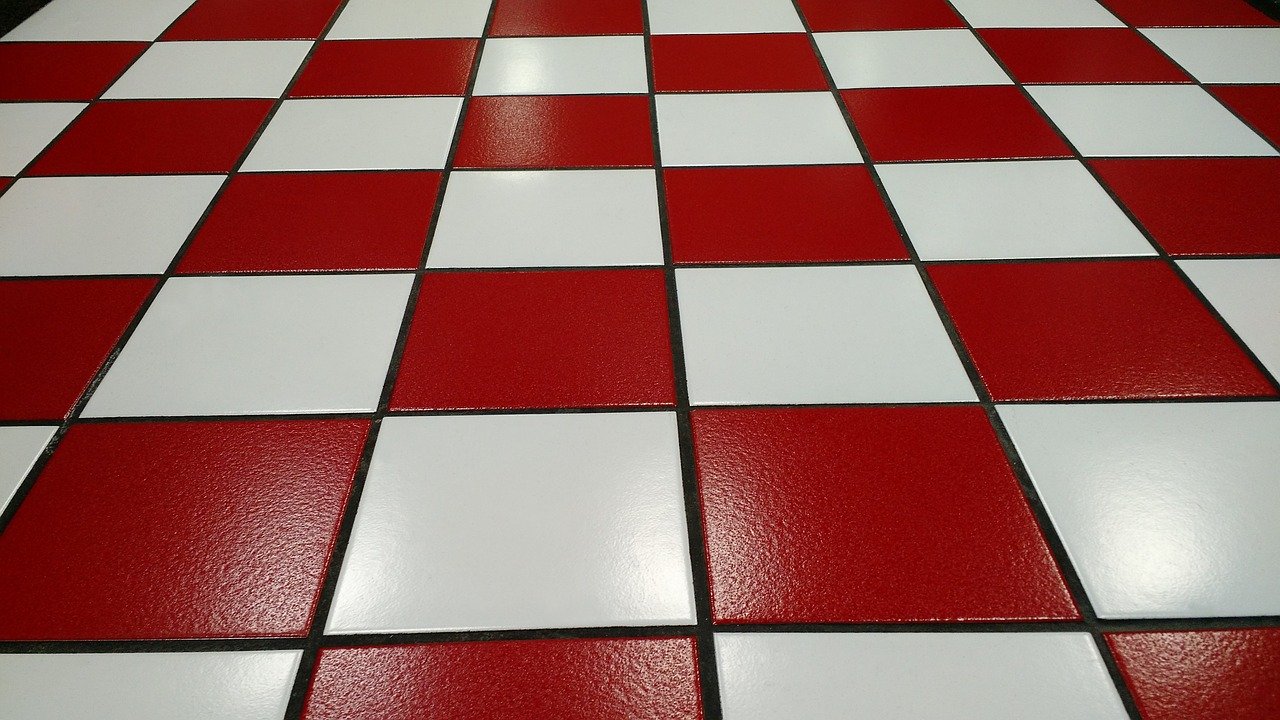
- Porcelain, ceramic and natural stone kitchen floor tiling, including herringbone and other patterned layouts
- Laminate flooring fitted with moisture barriers and sealed edges
- Engineered wood flooring, fitted instead of solid wood which isn't stable enough for kitchen moisture
- Resin, cork and anti-slip safety flooring for specific requirements
- Subfloor levelling, screeding and moisture barrier installation before the new floor goes down
- Removal and disposal of your existing kitchen floor
- Edge trims and thresholds fitted where the new floor meets doorways and adjoining rooms
Not Included / Costed Separately
- Removing and disposing of the existing floor is priced separately from the new flooring (typically an extra £8-15 per square metre) - it isn't bundled into the headline material cost
- Subfloor preparation is usually quoted as an additional line item rather than included as standard, particularly in older Derby properties where floors need levelling before anything else can happen
- Underfloor heating - electric mat or water-based - is quoted and supplied separately from the flooring, though we fit both alongside compatible floor types
- Solid wood flooring isn't something we fit in kitchens - moisture from cooking and spills makes it unsuitable, so engineered wood is used instead wherever a timber look is wanted
How the Main Kitchen Flooring Options Compare
| Flooring type | Typical installed cost (15-25m² kitchen) | Installation time | Water resistance | Underfloor heating |
|---|---|---|---|---|
| Vinyl sheet / laminate | £800-£1,500 | 1-2 days | Vinyl is fully waterproof; laminate is water-resistant but rarely fully waterproof | Not generally recommended |
| LVT (e.g. Karndean, Amtico) | £1,200-£2,500 | 1-2 days | Fully waterproof | Yes, with the right underlayment |
| Porcelain or ceramic tile | £1,500-£3,000+ | 2-4 days including drying time | Practically waterproof | Yes - tile is an excellent heat conductor |
| Engineered wood / natural stone | £2,000-£4,000+ | 3-5 days | Good with proper sealing; avoid standing water | Yes, with correct specification |
Why Floors Fail (And How We Build Ours Not To)
Most kitchen floor failures start below the finish, not on top of it - a lifting laminate seam or a cracked tile line usually means the subfloor moved after the job was signed off, not that the wrong material was chosen. That's the thinking behind a 5-year labour and installation guarantee rather than the shorter cover some fitters offer: if levelling or a moisture barrier was missed and it only shows up as a floor problem eighteen months later, it's still covered, with a separate 2-year guarantee sitting alongside it for the flooring materials themselves. Old flooring, adhesive residue and subfloor debris leave the property properly too, since the business holds registered waste carrier status rather than putting site waste on a skip that isn't licensed to take it. Where a job includes an electric underfloor heating mat under new tiles or LVT, that circuit is wired and certified by Part P registered electricians rather than left to whoever's laying the floor that day, and where timber subfloor repairs are needed before levelling can even start, that carpentry goes to joiners with City & Guilds training and a bench-joinery background rather than a quick patch job. None of that is farmed out to whoever's free that week - it's the same project-managed crew the business has run for 20 years fitting kitchens across Derbyshire, which is also why it holds CITB and FSB membership rather than just listing trade names on a website.
Kitchen Floors Fitted Across Derby's Mixed Housing Stock, and Out Into Derbyshire
Most of the work is in Derby itself, and the city's housing stock changes enough from street to street that the subfloor is rarely a given rather than an assumption. Victorian and Edwardian terraces around Normanton, Pear Tree and parts of Chaddesden were built with suspended timber floors over a void, which is fine while the joists stay dry but can leave a floor springy or uneven after decades of damp or an old leak - that has to be sorted before any new floor goes down, not hidden under extra screed. Newer estates such as Chellaston, Oakwood and Mickleover sit on solid concrete slab, which is generally simpler to work with and takes underfloor heating without much extra preparation. The same terrace pattern repeats further out in Ilkeston, Long Eaton, Heanor and the period homes around Ripley, while stone-built cottages around Matlock, Wirksworth, Bakewell and Buxton bring a different set of problems again - solid stone floors that are rarely level, and old flagstones that sometimes need lifting and relaying rather than covering over. The same crew also covers Belper, Duffield, Alfreton, Swadlincote, Dronfield, Chesterfield and into Nottingham, with the subfloor checked before quoting on any of them.
5-Year Guarantee • Licensed Waste Removal • 20 Years' Experience
Quick Free Estimate - No Obligation
Fully Insured • Response within 15 mins
🔒 Your details are safe with us. No spam, ever.